
Strengthen Trust and Data Security with SOC Certification
In a world driven by digital operations and cloud-based services, organizations must prove that their systems and data management processes are reliable, secure, and transparent. Kingsmen Certification Services empowers businesses to achieve this trust through SOC Certification — a globally recognized standard that validates the strength of internal controls, data security, and privacy practices.
Our certification experts help businesses establish, assess, and certify their systems under the System and Organization Controls (SOC) framework developed by the American Institute of Certified Public Accountants (AICPA). Whether you’re a cloud provider, financial service firm, or IT solutions company, Kingsmen ensures your systems meet the highest level of assurance for clients and stakeholders.
What Is SOC Certification?
SOC Certification (System and Organization Controls) is a third-party attestation that verifies how well an organization protects data, manages risks, and maintains operational integrity. It assures your customers and business partners that your organization’s systems are properly controlled, monitored, and compliant with industry standards.
SOC reports are designed to communicate the effectiveness of an organization’s internal controls. They cover areas like security, availability, confidentiality, processing integrity, and privacy — all essential for building trust in a digital environment.
In simpler terms, SOC certification tells your clients:
“We have strong systems, reliable processes, and secure controls in place to protect your data.”
SOC audits are conducted according to AICPA’s SSAE 18 standard and are essential for any company handling customer data or providing outsourced services.
Why SOC Certification Matters for Modern Businesses
Modern organizations rely heavily on data processing, cloud storage, and digital transactions. This has made trust the most valuable business asset. Clients increasingly ask for proof that their vendors can handle data securely — and SOC Certification is the gold standard for demonstrating that commitment.

Builds Customer Confidence
Your clients gain assurance that their data is safe and managed responsibly.

Enhances Market Reputation
Certified organizations are viewed as trustworthy and professional service providers
Improves Internal Controls
The SOC process strengthens your internal systems, policies, and monitoring mechanisms

Facilitates Global Business
Many international clients require SOC reports before entering a contract.
Supports Regulatory Requirements
Aligns with privacy laws, financial regulations, and IT governance frameworks.
Types of SOC Reports
There are three main types of SOC reports, each focusing on a specific area of control and assurance.
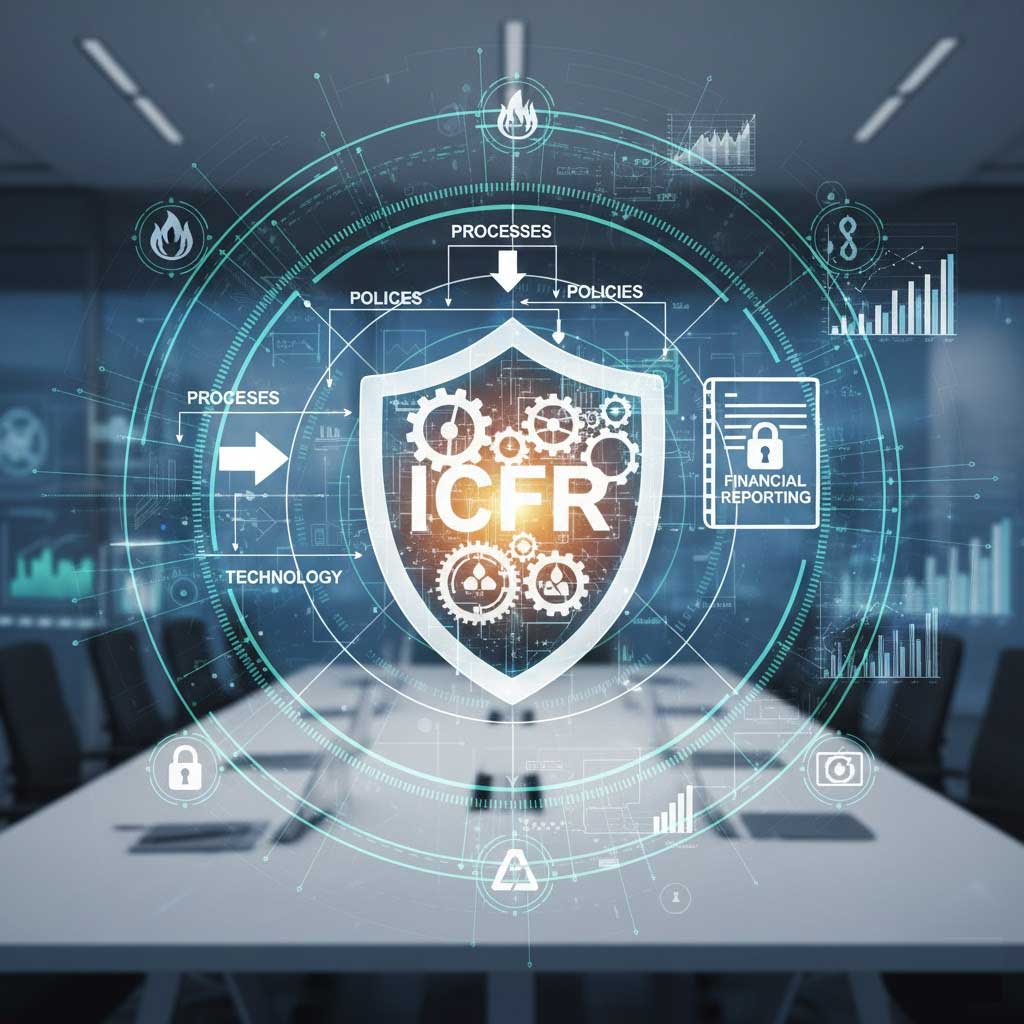
SOC 1 – Internal Control over Financial Reporting (ICFR)
SOC 1 focuses on controls that affect a client’s financial statements. It’s primarily used by organizations that process financial transactions or provide financial-related services, such as payroll companies, accounting firms, or fintech platforms.
The purpose of SOC 1 is to ensure that financial data is accurate, complete, and protected from unauthorized manipulation. It helps clients’ auditors rely on your control environment when preparing or auditing financial reports.
SOC 2 – Trust Services Criteria
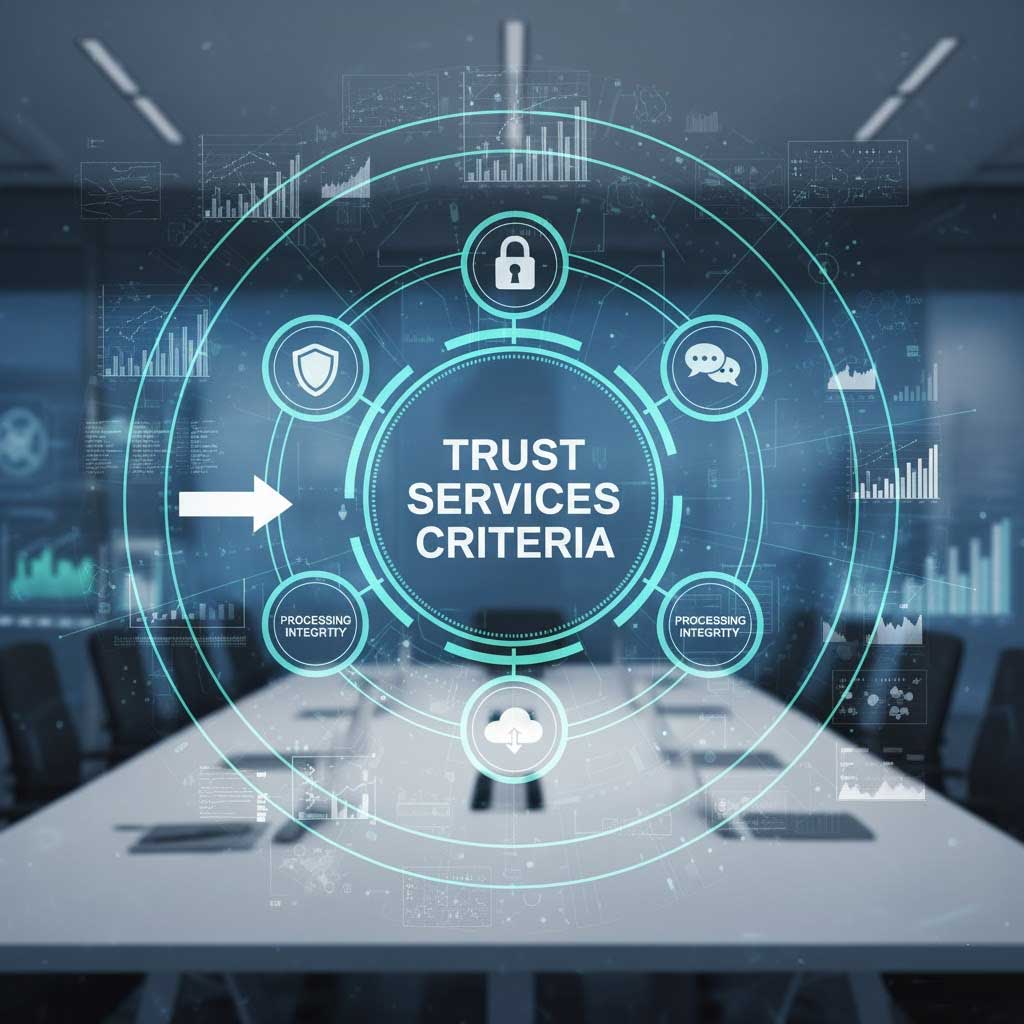
SOC 2 certification is the most sought-after report for technology-driven and service-based organizations. It evaluates your system controls based on five Trust Services Criteria defined by AICPA:
- Security – Protection of systems against unauthorized access or attacks.
- Availability – Ensuring that systems are operational and available as promised.
- Processing Integrity – Verifying that transactions are complete, valid, and accurate.
- Confidentiality – Safeguarding sensitive business and client information.
- Privacy – Ensuring that personal data is collected, stored, and used responsibly.
SOC 2 reports are particularly important for SaaS companies, IT service providers, cloud platforms, and data centers.
SOC 3 – General Use Report
SOC 3 is a public version of SOC 2 that contains high-level information about your organization’s controls without revealing confidential audit data.
It is designed for marketing and public assurance, enabling organizations to demonstrate their compliance to clients, partners, and the general public.
Example: A technology company may publish its SOC 3 report on its website to show that it upholds strong data security and privacy standards.
Purpose and Scope of SOC 1 Certification
SOC 1 certification serves organizations involved in financial processing or record-keeping functions. Its goal is to ensure that all financial data handled by a service provider is accurate, complete, and protected from error or fraud.
SOC 1 Key Objectives:
- Evaluate internal control systems relevant to financial transactions.
- Confirm data integrity and reliability for external audits.
- Reduce financial reporting risks for both the service provider and its clients.
For instance, a payroll company that manages salary processing for multiple organizations must ensure accuracy and data protection — SOC 1 certification validates those assurances.
SOC 2 Certification – Trust Services Criteria
SOC 2 certification has become the benchmark of operational integrity for companies handling customer data. It not only focuses on technical configurations but also reviews policies, training, and governance processes.
Core Focus Areas of SOC 2:
- Security: Network and infrastructure protection, including access controls and firewalls.
- Availability: Monitoring systems uptime, maintenance, and disaster recovery plans.
- Processing Integrity: Ensuring that system operations are error-free and consistent.
- Confidentiality: Encryption, data retention policies, and access authorization.
- Privacy: Adherence to privacy frameworks such as GDPR, HIPAA, and local data laws.
SOC 2 reports are often required by enterprise clients before partnering with a vendor, making it a vital credential for competitive growth.
Components of Trust Service Criteria
Each Trust Service Criterion comprises specific control objectives and evidence requirements:
- Policies and Procedures: Written documents defining security, privacy, and system management.
- Risk Assessments: Evaluations identifying and mitigating potential threats.
- Monitoring Activities: Continuous observation and control testing.
- Change Management: Procedures to track and authorize system updates.
- Incident Response: Defined actions for handling breaches or service disruptions.
Kingsmen Certification Services evaluates these components through a systematic and evidence-based certification approach, ensuring full compliance with SOC standards.
SOC 3 Certification – General Use Report
SOC 3 Certification is tailored for organizations seeking a public trust seal. Unlike SOC 2, which is restricted to internal or client use, SOC 3 reports can be openly distributed.
It provides a summary of the audit results without exposing sensitive control details. This makes it perfect for companies that want to publicly demonstrate their commitment to high-level data security and governance.
Examples include cloud service providers, IT platforms, and financial services that want to highlight their assurance level to potential clients.
Kinds of SOC Reports – Type I and Type II
Each SOC report can be issued in one of two forms:
- Type I Report:
Focuses on the design and implementation of controls at a specific point in time.
Example: Assessing whether controls were properly in place as of June 30, 2025. - Type II Report:
Examines both design and operational effectiveness of controls over a period, typically 6 to 12 months.
Example: Evaluating whether those controls worked effectively between January 1 and June 30, 2025.
Kingsmen Certification Services conducts detailed audits under both types, ensuring organizations can provide robust and time-tested assurance to their stakeholders.
Determining the Right SOC Report for Your Organization
Selecting the right SOC report depends on your industry, client needs, and risk exposure.
| Business Type | Recommended SOC Type | Purpose |
| Financial or Payroll Service Providers | SOC 1 | Internal control over financial reporting |
| SaaS, IT, and Cloud Providers | SOC 2 | Trust services: security, availability, privacy |
| Marketing and Public Disclosure | SOC 3 | Transparency and public trust |
| New or Growing Organizations | SOC 1 Type I / SOC 2 Type I | Initial assurance |
| Mature Enterprises | SOC 1 Type II / SOC 2 Type II | Continuous operational assurance |
Kingsmen Certification Services helps you determine the right path by evaluating your control environment, service offerings, and client requirements before starting the certification process.
Our SOC Certification Process
Our certification process follows international best practices and AICPA guidelines, ensuring clarity, transparency, and measurable progress.
Step 1: Initial Consultation and Scope Definition
We identify which SOC type applies to your organization, define the audit boundaries, and understand your key business processes.
Step 2: Gap Assessment
Our auditors conduct a detailed evaluation of your existing policies, IT systems, and controls to identify gaps against SOC requirements.
Step 3: Implementation and Documentation
We assist your teams in implementing missing controls, updating procedures, and documenting all processes in alignment with SOC standards.
Step 4: Internal Review
A mock audit is performed to test your organization’s readiness and ensure all controls are functioning as intended.
Step 5: Final Audit and Certification
After confirming readiness, Kingsmen’s certified auditors perform the official audit. Upon successful verification, your organization is awarded the SOC Certification report, demonstrating compliance and operational excellence.
Third-Party Vendor and Partner Assessments
Your business is only as secure as the vendors you rely on. Many organizations outsource IT, cloud, or financial processes to third-party partners who may introduce unseen risks.
Kingsmen Certification Services extends SOC assessment coverage to evaluate your third-party vendors, ensuring that their controls align with your certified environment. This holistic approach guarantees complete data protection across your operational ecosystem.
Industries That Need SOC Certification
SOC certification applies to a wide range of industries, particularly those that manage or process sensitive data on behalf of clients:
- Information Technology & SaaS Providers
- Financial and Accounting Firms
- Cloud Hosting and Data Centers
- Healthcare and Insurance Organizations
- E-commerce and Payment Gateways
- BPO and Outsourcing Companies
- Telecom and Managed Service Providers
- Educational and Government Institutions
No matter your sector, achieving SOC certification demonstrates your dedication to transparency, reliability, and data protection.
Benefits of SOC Certification with Kingsmen Certification Services
Client Confidence: SOC certification proves that your organization protects customer data using globally recognized frameworks.
Enhanced Market Position: SOC-certified companies gain a clear advantage during contract negotiations and vendor assessments.
Risk Reduction: Strengthened internal controls minimize the risk of data breaches or compliance failures.
Operational Efficiency: Improved processes and defined roles lead to better governance and accountability.
Regulatory Compliance: Aligns with GDPR, HIPAA, ISO 27001, and other global standards.
Continuous Improvement: Encourages regular evaluation of security and privacy practices.
Public Trust: SOC 3 certification allows organizations to showcase trust seals and attract high-value clients.
Why Choose Kingsmen Certification Services
Kingsmen Certification Services is a trusted global certification body specializing in IT audits, cybersecurity, data protection, and compliance certifications. Our expertise and methodical approach help organizations achieve SOC certification smoothly and confidently.
What Sets Kingsmen Apart:
- Certified auditors with extensive experience in SOC and ISO frameworks
- Transparent, evidence-based audit methodology
- Industry-specific guidance for IT, finance, and service organizations
- End-to-end support from readiness assessment to certification
- Commitment to integrity, accuracy, and confidentiality
With Kingsmen, you gain more than certification you gain a partnership focused on long-term trust, operational security, and business excellence.
Frequently Asked Questions (FAQs) – SOC Certification
What is the difference between SOC 1, SOC 2, and SOC 3?
SOC 1 focuses on financial controls, SOC 2 covers operational and IT security controls, and SOC 3 provides a summarized public report for general assurance.
Is SOC Certification mandatory?
While not legally required, many enterprise clients and regulators request SOC reports as part of vendor compliance programs.
How long is a SOC report valid?
SOC certifications are valid for 12 months, after which organizations should undergo renewal to maintain assurance continuity.
Can SOC certification help meet other compliance frameworks?
Yes. SOC 2 overlaps significantly with ISO 27001, GDPR, and HIPAA, making it easier to align multiple compliance objectives simultaneously.