
ISO/TR 20218-2:2017 is a published Technical Report from ISO/TC 299. It gives guidance on safety design for manual load/unload stations in industrial robot systems. The report is Edition 1, published in December 2017, with a corrected English version issued in May 2018. It has 14 pages and sits under ICS code 25.040.30.
As a Technical Report, it provides guidance only. It does not set mandatory requirements, and it is not a certification standard. It supplements ISO 10218-2:2011, which has since been replaced by ISO 10218-2:2025. Companies designing or reviewing load/unload stations should read it alongside current ISO 10218 editions.
What Is ISO/TR 20218-2?
ISO/TR 20218-2:2017 is titled “Robotics — Safety design for industrial robot systems — Part 2: Manual load/unload stations.” It is maintained by ISO/TC 299 Robotics, the technical committee responsible for robotics standards.
The report applies to robot systems used for manual load/unload tasks. In these setups, a hazard zone is safeguarded by preventing access to it. The report explains why access restriction and ergonomic workplace design both matter for these stations.
It supplements ISO 10218-2:2011 by adding guidance on reducing the risk of intrusion into hazard zones during design and safeguarding.
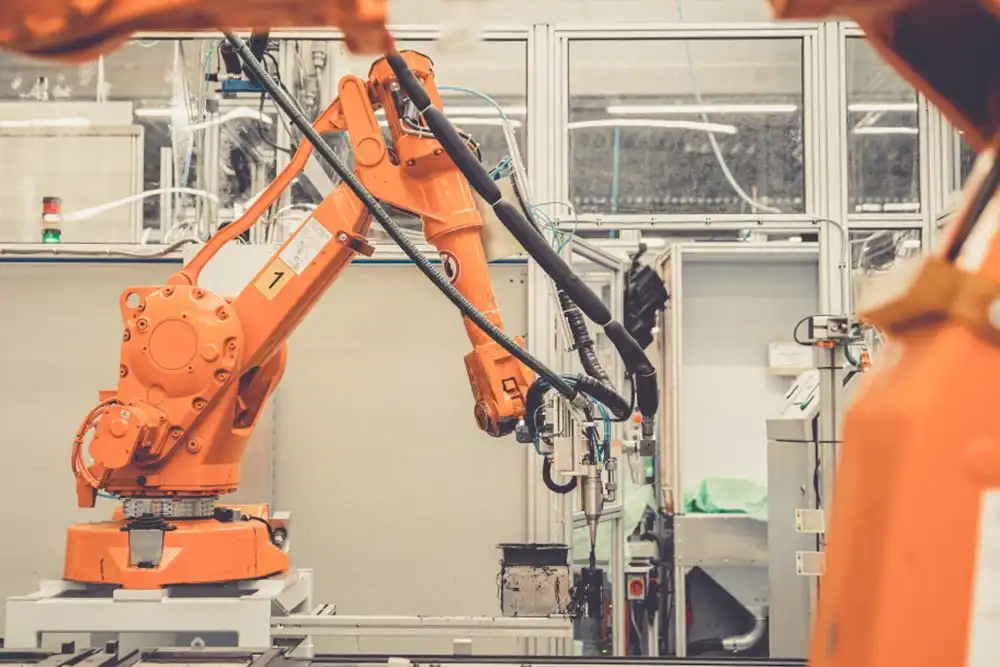
What Is a Manual Load/Unload Station?
A manual load/unload station is a workstation where a person places parts into a robot cell or removes finished parts. The operator works close to the robot system during these tasks.
This setup creates a shared space between people and machines. The robot may run at full speed while parts move in and out of the hazard zone. Good design keeps operators safe without slowing down production.
Is ISO/TR 20218-2 Still Valid?
Yes. ISO/TR 20218-2:2017 carries the status Published, at stage 60.60. Edition 1 was released in December 2017, with a corrected English version in May 2018.
You can confirm the current status on the official ISO page.
The report supplements ISO 10218-2:2011. That standard has been withdrawn and replaced by ISO 10218-2:2025. Companies should read ISO/TR 20218-2 together with the current ISO 10218 editions.
What Does ISO/TR 20218-2 Cover?
ISO/TR 20218-2:2017 covers guidance for robot systems where a hazard zone is safeguarded by preventing access. It focuses on two connected goals:
- Restricting access to hazard zones around the robot
- Designing ergonomically suitable workplaces for operators
The report offers extra information to help reduce the risk of intrusion into hazard zones. This guidance applies during the design and safeguarding of manual load/unload installations.
What Is Outside the Scope?
ISO/TR 20218-2 does not cover every type of robot application. It focuses on manual load/unload stations with access-restricted hazard zones.
It does not set out safety distances, guard heights, or sensor specifications. It does not replace the requirements found in ISO 10218-2. It works alongside that standard as supporting guidance.
What Is the Difference Between an ISO Standard, Technical Specification and Technical Report?
ISO publishes different types of documents. Each type carries a different level of authority.
ISO International Standard
An International Standard sets out agreed requirements. Organizations use it to show conformity, often through certification.
ISO Technical Specification
A Technical Specification covers work still under technical development. It may become a full standard later.
ISO Technical Report
A Technical Report contains guidance, background data, or information. It does not set requirements. ISO/TR 20218-2:2017 falls into this category.
Hazards at Manual Load/Unload Stations
Manual load/unload stations bring people close to moving machinery. Common hazard types include:
- Contact with moving robot parts
- Trapping between the robot and fixed structures
- Unexpected robot restart during loading or unloading
- Reaching into the hazard zone from the side, above, or below
Understanding these hazards is the first step in good station design.
Risk Assessment for Load/Unload Stations
Risk assessment looks at how people interact with the robot system during real tasks. ISO/TR 20218-2 highlights several situations worth review.
Normal Operation With an Operator at the Station
This covers the routine cycle of loading and unloading parts. The assessment should look at how close the operator gets to the hazard zone during each cycle.
Operator Approaching While the Robot Works
Sometimes an operator approaches the station while the robot still runs. This situation needs its own review, separate from the normal loading cycle.
Other Tasks Near the Station
Cleaning, inspection, and adjustment tasks can also bring people near the hazard zone. Include these tasks in your overall risk assessment.
Key Safety Design Principles
Preventing Access to the Hazard Zone
Good station design limits how a person can reach the hazard zone. This might include guards, barriers, or sensing systems.
Stopping Reaching Over/Under/Around/Through
People can reach hazards in more ways than walking straight in. Design should also stop reaching over a barrier, under a gap, around an edge, or through an opening.
Safe Restart and Reset Interlocks
A robot should not restart while a person stands in the hazard zone. Interlocks and reset controls help confirm the area is clear before operation resumes.
Ergonomic Station Design
A station that fits the operator’s body reduces strain and mistakes. Good ergonomics also lowers the temptation to reach into the hazard zone.
Access for Maintenance and Other Tasks
Maintenance staff need safe access too. Station design should account for tasks beyond routine loading and unloading.
Information for Use and Training
Clear instructions and training help operators understand the risks and the safeguards in place. This information forms part of the overall safety design.
Why Ergonomics Matters at Load/Unload Stations
Ergonomics and safety go together at these stations. A poorly designed workstation can push operators to take shortcuts, like reaching past a guard.
Comfortable reach distances, good posture, and clear sightlines reduce this temptation. ISO/TR 20218-2 treats ergonomic design as a core part of hazard-zone safety, not a separate concern.
ISO/TR 20218-2 and ISO 10218:2025 – How Do They Relate?
ISO/TR 20218-2:2017 supplements ISO 10218-2:2011. That standard has been withdrawn and replaced by ISO 10218-2:2025. Companies should read ISO/TR 20218-2 together with the current edition of ISO 10218-2.
| Document | Type | Status | Role |
| ISO/TR 20218-2:2017 | Technical Report | Published | Guidance on load/unload station safety |
| ISO 10218-2:2011 | International Standard | Withdrawn | Previous requirements for robot system integration |
| ISO 10218-2:2025 | International Standard | Current | Current requirements for robot system integration |
Read ISO/TR 20218-2 alongside the current ISO 10218-2 edition. This helps you apply the latest requirements with added context on load/unload station design.
ISO/TR 20218-2 vs ISO/TR 20218-1
ISO/TR 20218-2 and ISO/TR 20218-1 sit in the same series. Each one addresses a different part of robot system safety.
ISO/TR 20218-1:2018 covers end-effectors, the tooling attached to a robot’s arm. ISO/TR 20218-2:2017 covers manual load/unload stations.
Together, they offer guidance across two distinct areas of industrial robot safety design.
Load/Unload Stations vs Collaborative Applications
Load/unload stations and collaborative applications both involve people working near robots. They are not the same thing.
A load/unload station keeps the person separate from the hazard zone during robot operation. A collaborative application allows direct interaction between the person and the robot, often at reduced speed or force.
Guidance on collaborative applications appears in ISO/TS 15066, not in ISO/TR 20218-2.
Is ISO/TR 20218-2 a Certification?
ISO Technical Report
No. ISO/TR 20218-2 is a Technical Report. It provides guidance, not requirements. There is nothing to certify against in this document alone.
Certification and Conformity Assessment
Certification applies to management system standards or product requirements, not to Technical Reports. Robot system integrators work toward requirements set in ISO 10218-1 and ISO 10218-2.
Robot Cell Validation
Validating a robot cell means checking it against applicable requirements and a documented risk assessment. ISO/TR 20218-2 supports this process with guidance. Validation itself depends on the requirements in force for your project.
Who Uses ISO/TR 20218-2?
This report is useful for several roles involved in robot system design:
- Robot system integrators
- Machine safety engineers
- Health and safety officers
- Manufacturing engineers designing load/unload cells
- Consultants supporting robot cell risk assessments
Anyone responsible for safeguarding a manual load/unload station can use this guidance.
How Can Companies Use ISO/TR 20218-2 Today?
1. Review Your Current Load/Unload Stations
Start by mapping out every station where people load or unload parts near a robot.
2. Identify Hazard Zones
Mark out where the robot can reach and where a person could face exposure to risk.
3. Assess Normal and Unplanned Interactions
Look at routine loading cycles, along with unplanned approaches and maintenance tasks.
4. Compare Findings Against ISO 10218-2 Requirements
Use the current edition of ISO 10218-2 to confirm what your station must meet.
5. Apply ISO/TR 20218-2 Guidance Where Relevant
Bring in ISO/TR 20218-2 guidance to support your design and ergonomic decisions.
6. Document Your Risk Assessment and Design Choices
Keep clear records of hazards identified, decisions made, and reasons behind them.
7. Review Station Design on a Set Schedule
Revisit your stations whenever tasks, layouts, or robot programs change.
ISO/TR 20218-2 and Regulatory Compliance
ISO/TR 20218-2 is guidance, not a legal requirement. Regulatory compliance depends on the laws and standards that apply in your country and industry.
Many companies pair robot safety guidance with broader management system standards, such as ISO 45001 for occupational health and safety. This combination supports both technical safety design and organizational safety management.
Checklist Before Applying ISO/TR 20218-2
Before using this guidance, confirm the following:
- You have identified all manual load/unload stations in scope
- You have access to the current edition of ISO 10218-2
- You understand this report supplements, but does not replace, ISO 10218-2
- Your risk assessment covers normal operation, approach, and maintenance tasks
- You have a process for documenting design decisions
- You know who owns safety sign-off for each station
How Can ISO Certifications UAE Support Robot Cell Safety Requirements?
Understanding ISO/TR 20218-2 is one part of a larger safety picture. Our team helps you connect this guidance to your broader certification and compliance goals.
Our support includes:
- Interpretation of ISO/TR 20218-2 and related ISO 10218 requirements
- Gap review of your current load/unload station design and documentation
- Documentation support for risk assessments and safety records
- Readiness assessment ahead of internal or external audits
- Support for ISO Certification Services, including ISO 9001 and ISO 45001 certification
We work alongside your engineering and safety teams to help you apply this guidance with confidence.
Get Support for Robot Load/Unload Station Safety
Applying ISO/TR 20218-2 guidance takes careful review and clear documentation. Our team helps you interpret the report, review your current station design, and prepare for certification readiness.
[Discuss Your Robot Cell Safety Requirements]
ISO/TR 20218-2 Frequently Asked Questions
Is ISO/TR 20218-2:2017 mandatory?
No. It is a Technical Report. It offers guidance, not mandatory requirements.
Does ISO/TR 20218-2 replace ISO 10218-2?
No. It supplements ISO 10218-2. Read both documents together.
What is the current status of ISO/TR 20218-2:2017?
The report is Published, at stage 60.60, Edition 1. It was released in December 2017, with a corrected English version in May 2018.
Who maintains ISO/TR 20218-2?
ISO/TC 299, the technical committee for robotics, maintains this report.
How is ISO/TR 20218-2 different from ISO/TR 20218-1?
ISO/TR 20218-1 covers end-effectors. ISO/TR 20218-2 covers manual load/unload stations.
Can ISO/TR 20218-2 be used for certification?
No. Technical Reports are not certification documents. Certification applies to standards with defined requirements.
Where can I find the official ISO/TR 20218-2 record?
The official ISO record confirms the report’s status, edition, and publication history.